
Filed Under:
Manufacturing
Published on
August 21, 2026

Chinese New Year is one of the most important holidays in Asia. For manufacturers and OEM buyers, it is also one of the most important dates on the supply chain calendar. In 2027, Chinese New Year falls on Saturday, February 6, with the Spring Festival period continuing through the Lantern Festival on February 20.
For companies sourcing products from Asia, the biggest mistake is thinking the impact begins on February 6. It does not. The real impact starts weeks earlier and can continue for weeks after factories reopen.
Chinese New Year, also known as the Spring Festival, is China's biggest holiday of the year. It is a major time for families to travel home, and manufacturing activity across the region is significantly affected.
For OEM buyers, that means factory capacity, production schedules, shipping timelines and inventory planning can all be affected. And this is not limited to China.
Royal Case works with a factory network across eight countries, including China, Taiwan, Vietnam, Singapore, Malaysia, Indonesia, South Korea, the Philippines and Thailand. Several of these markets observe major holidays around the same period. That makes early planning even more important.
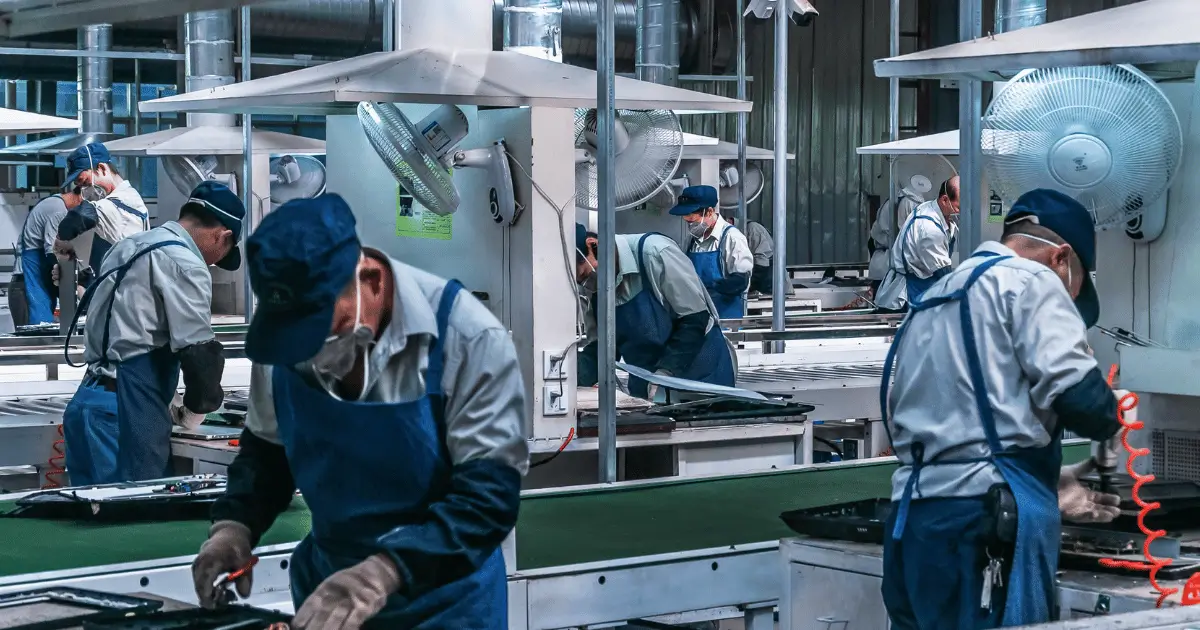
One of the biggest misconceptions about Chinese New Year is that you only need to account for the weeks when factories are officially closed. The pre-holiday period can be just as important.
Factories are working to complete as many orders as possible before the holiday shutdown. That can create a significant surge in demand for production capacity. As factories become increasingly busy, lead times can stretch before the actual holiday begins.
Although the official holiday period is shorter, many factories close for approximately 2 to 3 weeks in practice, with some closures lasting longer. Employees also travel home, and not everyone returns immediately after the holiday.
Production does not necessarily return to normal the moment factories reopen. Worker turnover can mean that some employees do not return to the same factory. Production lines may operate with reduced staffing while new employees are trained. According to Royal Case's factory awareness guidance, a true return to normal can take until mid-to-late April. That creates a much longer supply-chain window than the holiday itself suggests.
The answer is simple: Plan earlier. Royal Case typically recommends allowing approximately 4 to 5 months of planning time around Chinese New Year. This is a planning guideline, not a guarantee, because individual factory shutdowns and worker turnover can extend timelines further. For products that need to ship in January or February, orders should be discussed and flagged well in advance. The earlier you know what you will need, the more options you have.
For many OEM buyers, the safest strategy is to build inventory ahead of the holiday. Instead of waiting for the next production run, buyers can work with their manufacturing partner to produce inventory before the shutdown and plan releases around their actual demand.
Royal Case can also warehouse product for invoice-on-release arrangements, allowing customers to get product into stock while pushing the actual release date out as needed. That can give buyers more flexibility without forcing every shipment to happen at once.
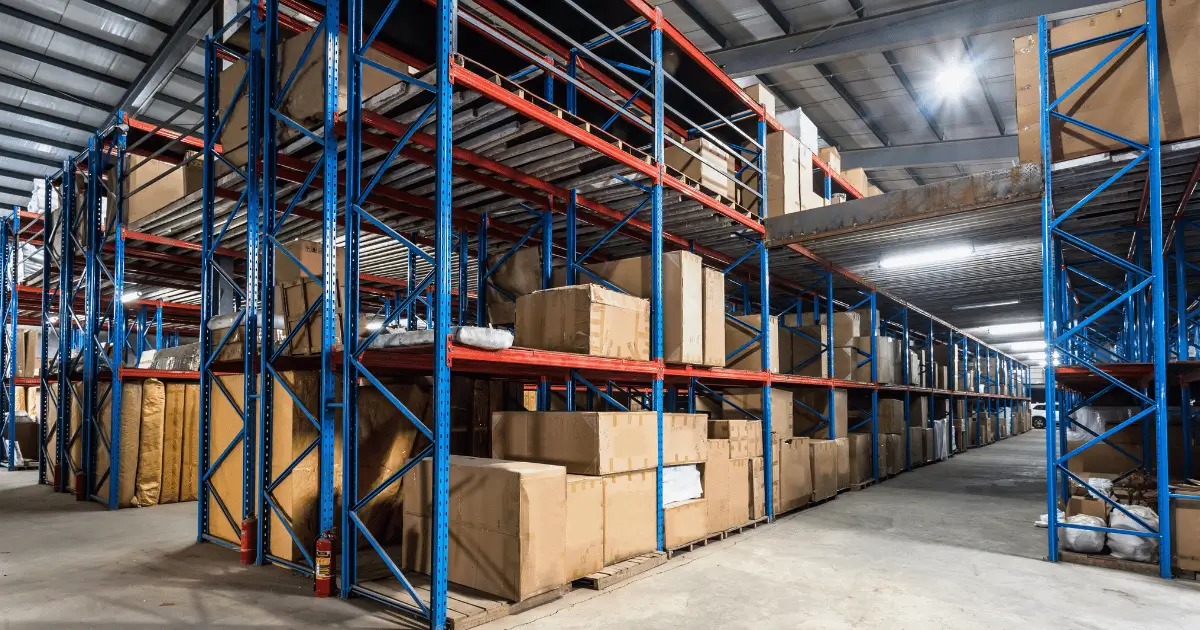
When an order misses the production window, the problem is not always just a longer lead time. It can mean:
The real question is not simply, "Can we place the order later?" It is: "What will waiting cost us if the window closes?" Royal Case recommends making that cost clear when discussing supply planning with customers.
Start with your actual usage. Look at the past 12 months of demand and identify what you are likely to need during January, February and the weeks that follow Chinese New Year. Then work backward.
Your OEM partner can help determine a suggested reorder quantity and production plan based on that demand. The goal is not to over-order. The goal is to avoid waiting until your options are limited.
Chinese New Year is predictable. That is what makes it manageable. The holiday itself is not the problem. The problem is waiting until the supply chain is already under pressure before making a plan.
For OEM buyers, a little more planning time can mean a lot more flexibility. At Royal Case, our goal is to help customers plan ahead, build inventory strategically and keep their supply moving even during major manufacturing disruptions.
If you have January, February or early spring requirements, now is the right time to start the conversation. Plan early. Protect your supply. Keep your business moving. Talk to Royal Case about your 2027 OEM production and inventory needs.


At Royal Case, we are committed to meeting your compliance needs. To ensure accuracy and satisfaction, all compliance requirements must be communicated to us before an order is placed. We can manufacture to nearly any standard, but those standards must be stated in writing prior to production. Please note that compliance not disclosed in advance cannot be guaranteed.


